Tag: Super Bowl
-
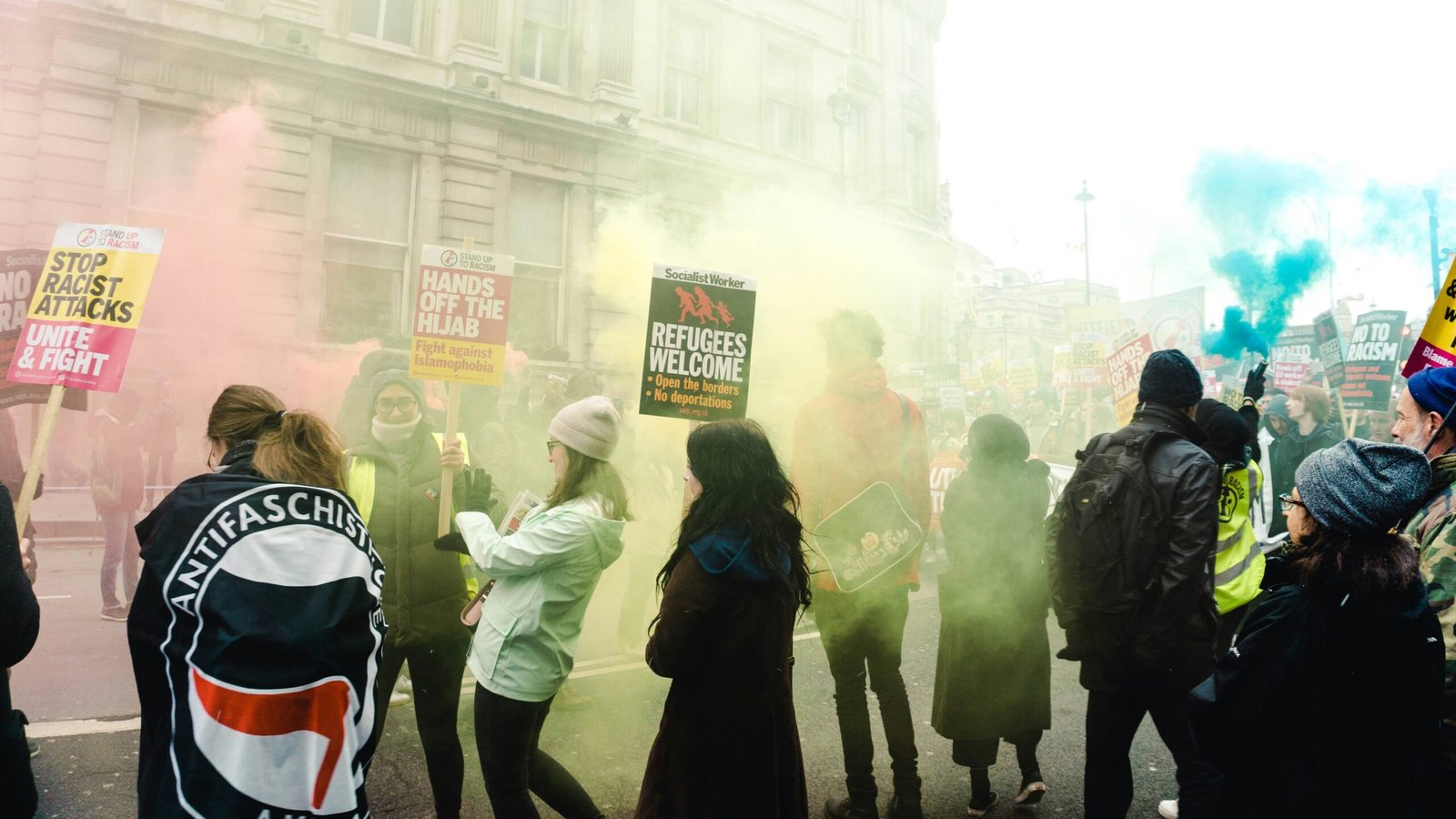
Military Deployment in Los Angeles*: Defense Secretary Pete Hegseth has sent Marines to Los Angeles to handle protests against immigration raids, sparking controversy
Introduction
The recent decision to deploy Marines in Los Angeles has stirred significant debate regarding the military’s role in domestic affairs. This unprecedented action, endorsed by Defense Secretary Pete Hegseth, underscores a growing trend of military involvement in civil matters, particularly amidst heightened tensions arising from immigration protests. The deployment was largely influenced by escalating demonstrations against recent immigration raids, which have sparked widespread concern and unrest within various communities across the city.
These protests reflect broader social anxieties regarding immigration policies and their impact on local populations, particularly undocumented individuals. While the intention behind the military deployment may be to maintain order, the presence of armed forces in a civilian context raises critical questions about the appropriateness of military intervention in civil society. Historical precedents indicate that such actions can easily lead to an erosion of civil liberties and provoke further unrest, as the line between law enforcement and military action becomes increasingly blurred.
It’s essential to understand that this deployment is set against a backdrop of increasing polarization surrounding immigration issues in the United States. The involvement of the military in such protests could be seen as an effort to demonstrate federal authority in a climate characterized by rising tensions. However, it also invites scrutiny regarding the ethics and implications of using military resources for domestic policing purposes. As the Los Angeles community grapples with this complex situation, the decision to send Marines becomes a focal point for discussions about the appropriate balance between maintaining public order and preserving civil rights.
Background of the Protests
The protests in Los Angeles, which garnered significant media attention, stem from a complex interplay of public sentiment regarding immigration policy and its implications for local communities. Over the years, immigration raids have become a contentious issue affecting not only undocumented individuals but also their families and neighbors. The fear of sudden deportation has instilled a sense of vulnerability among many residents, leading to a unified opposition against these aggressive tactics. As communities mobilize, the protests have emerged as a response to perceived injustices and human rights violations.
Demographically, the protesters represent a diverse spectrum of Los Angeles residents. This includes not only immigrants themselves but also allies from various ethnic backgrounds, civil rights advocates, and local organizations committed to social justice. These groups are often intertwined, as many protesters have personal connections to those impacted by immigration enforcement actions. The solidarity forged among these diverse communities illustrates the widespread discontent with current immigration policies and enforcement practices.
The motivations behind the protests are deeply rooted in a growing frustration over a perceived lack of empathy and understanding within governmental policies. Protesters are increasingly vocal about the negative implications these policies have on the socio-economic fabric of their communities. Many argue that such actions disproportionately target vulnerable populations, exacerbating anxiety and unrest. As awareness of these issues grows, the protest movements in Los Angeles reflect a broader national dialogue on immigration reform and the rights of immigrants, underscoring the need for systemic change. Consequently, the continuous rise in civil unrest is not just a local concern, but indicative of a nationwide call for reevaluation of immigration strategies and enforcement measures.
The Decision to Deploy Marines
The decision to deploy Marines to Los Angeles was influenced by a multitude of factors, primarily rooted in concerns regarding public safety during a period of heightened immigration protests. Defense Secretary Hegseth faced increasing pressure from both government officials and communities grappling with the perceived chaos surrounding these demonstrations. As the protests escalated, concerns about violent confrontations, civil unrest, and a potential breakdown of order prompted discussions about the necessity for military intervention.
Key to this decision were the insights provided by various government officials who evaluated the situation on the ground. Reports indicated that local law enforcement agencies were overwhelmed by the scale of the protests, which often featured acts of civil disobedience and clashes with counter-protestors. This, combined with fears of escalating violence, raised alarms in administrative circles. Officials suggested that deploying Marines would not only serve as a deterrent against possible violence but also restore a sense of stability in a city grappling with conflict. Consequently, the idea of military presence was framed as a necessary precaution to uphold law and order, notwithstanding the inherent complexities of deploying forces domestically.
Another aspect influencing the decision was the political climate surrounding immigration debates, as heightened public sentiment could not be overlooked. The administration argued that military involvement would send a clear message regarding the federal stance on immigration, thereby reinforcing existing policies and expectations. Nevertheless, the ramifications of such a deployment have sparked considerable debate among experts, advocacy groups, and citizens alike, underscoring the delicate balance between security measures and civil liberties.
Public Reaction and Controversy
The deployment of military forces in Los Angeles to manage immigration protests has sparked widespread debate among various segments of society. Public reaction has been notably polarized, with some individuals expressing staunch support for the military’s presence, citing the need for order and safety during increasingly intense protests. Others have vehemently opposed the decision, arguing that it represents an alarming encroachment on civil liberties and an inappropriate militarization of civilian governance.
Lawmakers have also been divided over this controversial decision. Supporters within legislative circles assert that the involvement of the Marines can provide essential support to local law enforcement, facilitating a more robust response in situations that may otherwise spiral out of control. Conversely, critics argue that enlisting military personnel to respond to domestic protests undermines the very foundations of democracy and may set a perilous precedent for future interactions between the military and civilian populations. The fears surrounding this issue mainly stem from the potential for confrontations between military forces and protesters, raising concerns about the use of force and the preservation of constitutional rights during civil unrest.
Civil rights organizations have voiced significant apprehension regarding the implications of military involvement in public protests. These organizations emphasize the risks of increased tensions, potential violence, and the erosion of trust between communities and law enforcement. Many advocates fear that the visibility of Marines on the streets could exacerbate feelings of vulnerability among marginalized groups, who may perceive such deployments as hostile. The discussion surrounding the military’s role in civil affairs is particularly crucial in light of historical contexts where military interventions in civilian matters have led to human rights abuses.
Overall, the controversy surrounding military deployment in Los Angeles reveals a complex interplay of public sentiment, legislative response, and civil rights considerations, reflecting a broader societal struggle over the appropriate boundaries of military involvement in civilian unrest.
Legal and Ethical Considerations
The deployment of military forces, particularly the United States Marines, in domestic situations raises significant legal and ethical concerns. Central to this discussion is the Posse Comitatus Act of 1878, which restricts the use of federal military personnel to enforce domestic laws unless explicitly authorized by the Constitution or an act of Congress. This act is intended to prevent the military from interfering in civilian affairs and to uphold the principle of a distinct separation between military and civilian jurisdictions. However, exceptions exist, allowing for military intervention in cases of insurrection, natural disasters, or when law enforcement resources are inadequate.
Critics argue that the recent military presence at immigration protests in Los Angeles challenges the intent of the Posse Comitatus Act. Such deployment can be perceived as an overreach of federal authority, potentially undermining citizens’ rights to peaceful assembly and free speech, which are protected under the First Amendment. The presence of armed forces may intimidate demonstrators and alter the dynamic of civil discourse, indicating a shift towards a more militarized approach to policing protests.
Ethical considerations also come into play when discussing the implications of military involvement in domestic issues. The militarization of police forces has become a growing concern; critics warn that it may foster an environment of distrust between communities and law enforcement agencies. Furthermore, deploying Marines, who are trained primarily for combat and warfare, to manage immigration protests raises questions about their suitability in handling civil unrest. This calls into question the ethics surrounding the use of military personnel in roles where there is a strong requirement for de-escalation, dialogue, and community engagement, rather than confrontation and force.
In conclusion, the legal and ethical complexities surrounding military deployment for immigration protests necessitate careful consideration to balance national security interests against civil liberties and community trust.
Historical Context of Military Deployments
The deployment of military forces during instances of civil unrest in the United States has a complex and often contentious history. Numerous historical examples reveal a pattern of utilizing military interventions as a means of maintaining order during times of significant public dissent. One of the earliest examples includes the use of federal troops during the Whiskey Rebellion in 1794, where President George Washington sought to suppress a violent uprising against federal taxation. This decision emphasized the federal government’s willingness to utilize military power to uphold its authority, setting a precedent for future actions.
Another notable instance occurred during the civil rights movement, particularly in the late 1950s and 1960s. In 1957, President Dwight D. Eisenhower sent the 101st Airborne Division to Little Rock, Arkansas, to enforce the integration of Central High School following a hostile response from local authorities. This intervention marked a pivotal moment in U.S. history, illustrating the federal commitment to civil rights while also raising questions about the appropriateness of military force in domestic matters.
Similarly, during the Kent State shootings in 1970, the Ohio National Guard was deployed to quell anti-Vietnam War protests, resulting in tragic loss of life and further highlighting the tension between state authority and civil liberties. Such deployments reflect both a defensive stance against perceived disorder and a reactive measure to safeguard the public interest, albeit with consequences that often exacerbate tensions between the government and its citizens.
The lessons learned from these historical instances remain relevant today. While the military can serve as a stabilizing force in times of unrest, the implications of such interventions often spawn further debate around the balance of power, public safety, and the value of free expression. In the current context of Los Angeles, these historical precedents serve as a critical lens through which the recent decision to deploy Marines can be analyzed.
Impact on Local Communities
The deployment of military personnel, particularly Marines, in response to immigration protests in Los Angeles has profound implications for local communities. The presence of armed forces often reshapes the dynamics between residents and law enforcement, potentially straining relations. Communities traditionally rely on local police for protection and support, yet the infusion of military might can invoke feelings of tension and distrust. Residents may perceive the military’s arrival as an indication that local law enforcement is inadequate or overwhelmed, which can lead to a deterioration of community-police relations. This perception not only affects interactions between citizens and law enforcement but can erode the trust that underpins community solidarity.
Moreover, the psychological impact on community members cannot be understated. The sight of military personnel patrolling neighborhoods can instill fear rather than security, especially amongst vulnerable populations. Communities grappling with issues of immigration may feel particularly targeted, heightening anxieties and creating an atmosphere of apprehension. Individuals may feel that their rights are being infringed upon, leading to increased tensions and a sense of alienation within their own neighborhoods. This psychological strain can have long-lasting effects, particularly among children and young adults who are developing their perceptions of authority and civil engagement.
Finally, the long-term ramifications of military deployment for social cohesion and trust in law enforcement could be significant. As communities experience heightened militarization, the fabric that binds them—community engagement, collaborative policing efforts, and mutual trust—may begin to fray. This could lead to a cycle of conflict where communities become increasingly resistant to law enforcement, further perpetuating divisions between civilians and police. Addressing these challenges requires thoughtful engagement and dialogue among all stakeholders to repair and strengthen the relationships that are vital for community well-being. As communities navigate these complexities, understanding the impact of military presence is crucial for fostering resilience and solidarity in the face of ongoing societal challenges.
Future Implications of Military Involvement
The deployment of military forces, such as the Marines, to address immigration protests in Los Angeles raises significant questions regarding the future of military involvement in domestic affairs. As this unprecedented decision is analyzed, it becomes imperative to consider the potential long-term implications for civil liberties and the balance of power between state and military authorities. Such actions could set a precedent for similar responses to civil unrest, fundamentally altering the relationship between citizens and the military in the United States.
Engaging military personnel in domestic protests may uncomplicate complex law enforcement challenges. However, it could also foster an environment of militarization in civic matters that undermines the principles of a democratic society. The involvement of military forces in civilian roles can create a perception of increased enforcement and hostility, which may exacerbate tensions during civil demonstrations. This shift in operational dynamics raises concerns about the militarization of local law enforcement and the potential erosion of trust between communities and the authorities.
Furthermore, the reliance on military intervention could become a normalized solution to protest management. This potential normalization could lead to further military engagements in civilian scenarios, affecting not just the immediate situation surrounding immigration policies but also future protests addressing other social issues such as racial justice, healthcare, and economic inequalities. As the military’s role continues to evolve, it is critical to engage in meaningful discussions about ethical implications and the potential consequences of blurring lines between civilian policing and military enforcement.
In conclusion, the military’s deployment in domestic protests presents multifaceted challenges that could reverberate across law enforcement policies and public perceptions of military involvement. These considerations call for a deep examination of both the immediate and enduring consequences of military action in civilian contexts.
Conclusion and Call to Action
In reviewing the recent military deployment in Los Angeles, particularly the decision to send Marines to manage immigration protests, it is essential to underscore the myriad complexities surrounding this action. Throughout the discussion, we have examined the various facets, including the implications for civil liberties, the potential escalation of tensions, and the broader societal impacts on immigration policy. The involvement of military personnel in domestic affairs raises significant questions about the appropriate use of military force, particularly in civilian contexts, revealing the delicate balance between ensuring public safety and protecting citizens’ rights.
The deployment has sparked a robust debate among various stakeholders, from local community leaders to national policymakers. Concerns have been voiced regarding the militarization of local law enforcement and its effect on public trust, especially in communities directly impacted by immigration laws. Moreover, the moral implications of utilizing military resources to address civil protests cannot be understated, as it reflects a profound shift in how authorities respond to public dissent.
Recognizing these controversies encourages us as citizens to engage meaningfully with pressing issues such as policing and immigration reform. It is vital for individuals to communicate their concerns to local representatives and participate in discussions about the long-term implications of militarized responses to civilian protests. By fostering dialogue and advocating for policies that prioritize community safety and civil liberties, we can work towards a more equitable system. Therefore, we urge readers to stay informed, raise awareness, and partake in civic engagement, considering the profound impact these decisions have on the fabric of society and democratic values.
-
Donald Trump has stated that his relationship with Elon Musk is over, calling the tech billionaire “very disrespectful”.
Introduction
The relationship between Donald Trump and Elon Musk has been one of significant interest, intertwining the realms of U.S. politics and technology over the past several years. This partnership has drawn attention not only for the contrasting personalities and ideologies of the two figures but also for their respective roles in shaping a new era in the country. Trump, the 45th President of the United States, has always maintained a polarizing presence in politics, while Musk, the CEO of Tesla and SpaceX, has revolutionized multiple industries with innovations that challenge the status quo.
As prominent figures, their relationship has had a substantial influence on public sentiment, economic trends, and policy discussions. At various junctures, they have appeared aligned in their pursuits—be it supporting advancements in technology or responding to national challenges. The interactions between Trump and Musk have symbolized a unique synergy between political authority and entrepreneurial ambition. However, their partnership is now at a crossroads, with Trump announcing the conclusion of their relationship.
This development resonates with both political and business communities, as it raises questions about the future of collaboration between influential leaders in technology and politics. Additionally, it invites scrutiny regarding the implications for innovation, economic policy, and the overarching narrative in American leadership, especially in context to upcoming elections and ongoing technological advancements. As we delve deeper into the dynamics surrounding their relationship and the implications of its termination, the importance of understanding these connections cannot be understated. The dissolution of this era may signify a shift in collaboration patterns among powerhouse entities in both sectors.
The Background of Trump and Musk’s Relationship
The relationship between Donald Trump and Elon Musk is characterized by a series of pivotal moments that reflect their intertwined narratives in the realms of politics and technology. Their journey together began when Musk publicly supported Trump during the 2016 presidential campaign, expressing optimism about the potential for innovation and economic growth under Trump’s administration. This initial support laid the groundwork for a rapport that many viewed with intrigue, especially given Musk’s prominent role in the tech industry.
Throughout the early years of Trump’s presidency, both figures showcased mutual interests in technology and innovation. Musk was appointed to the President’s Strategic and Policy Forum, where he aimed to influence policy related to clean energy and technology development. This position suggested a shared vision to promote technological advancements that could benefit the American economy. During this timeframe, both Musk and Trump engaged in several discussions centered around infrastructure and the future of energy, highlighting their collaborative topics of interest.
At various public events, including the rollout of Musk’s initiatives at Tesla and SpaceX, Trump expressed admiration for Musk’s entrepreneurial spirit and groundbreaking contributions to industry. Conversely, Musk often spoke favorably of Trump’s focus on deregulation, which he believed could help foster growth in the tech sector. However, as their respective paths diverged in response to political and social events, the dynamics of their relationship began to change, leading to a stark public contrast in their viewpoints on critical issues such as climate change and technology policy.
While initial support and collaboration defined their early interactions, the shift in tone between the two influential figures illustrates the complexities of their relationship. As events unfolded over the years, the contrasting values they represent became increasingly apparent, ultimately setting the stage for the eventual conclusion of their association.
The Announcement: Trump Declares the Relationship Over
Former President Donald Trump has recently made headlines with his declaration that his relationship with Elon Musk, the CEO of Tesla and SpaceX, has reached its conclusion. This announcement came during a press event where Trump discussed various topics, including the state of the economy and upcoming elections. The decision to publicly sever ties underscores a significant moment in both political and business spheres, shedding light on the complexities of high-profile alliances in contemporary politics.
In his remarks, Trump emphasized that the dissolution of this relationship was not born out of animosity but rather a difference in vision and priorities. He noted, “While we have worked together in the past, our paths have diverged, and I believe it is time to move in different directions.” This statement reflects Trump’s desire to distance himself from Musk, especially as public sentiment around Musk’s ventures has evolved. The changing dynamics between influential personalities often carry substantial implications for their respective followings, and it remains to be seen how this will impact Trump’s political standing.
The timing of this announcement coincides with increasing scrutiny of Musk’s activities and decisions, particularly his stance on social media and remarks regarding various political issues. Analysts suggest that this declaration serves as a strategic maneuver for Trump as he aims to align himself with a different audience, one that may not wholly endorse Musk’s polarizing persona. The implications of this decision are significant; by cutting ties, Trump not only underscores his political strategies but also potentially reassesses his relationships with other influential figures within the tech industry.
This announcement marks not just the end of a personal relationship but potentially foreshadows future alignments in the evolving landscape of American politics. Observers will be keenly watching to see how this development unfolds and what it may signify for both Trump’s political aspirations and Musk’s ongoing ventures.
Reactions from Political Analysts
The recent announcement concerning the termination of the relationship between Donald Trump and Elon Musk has elicited a variety of reactions from political analysts, who are keen to assess the implications for both figures and their respective spheres of influence. Analysts have highlighted how Trump, a figure known for his contentious approach to politics, is navigating a landscape that is increasingly polarized and complex. His shifting alliances often reflect broader trends within the Republican Party, which may find itself reassessing its position in light of this end of an era.
Many experts argue that the severing of ties with Musk, a quintessential innovator in technology and space travel, could diminish Trump’s relevance in the fast-evolving world of tech. Musk’s ventures, including Tesla and SpaceX, have positioned him as a leading figure in technological advancement and entrepreneurship. Analysts note that Trump’s prior association with Musk often lent him a degree of credibility among tech-savvy voters. The dissolution of this relationship may signal a waning influence for Trump among influential sectors that are critical to modern electoral strategies.
Conversely, Trump supporters maintain that his core base remains largely unaffected by such shifts in relationships, arguing that Trump’s political identity is rooted in broader concepts like nationalism and economic populism rather than individual endorsements or connections. This perspective suggests that while Musk’s impact might reverberate in the tech landscape, Trump’s loyalty among his supporters may be more resilient to changes in personal alliances.
Overall, political analysts express a mixed outlook on how this development could shape the narratives surrounding both figures. The intersection of politics and technology continues to evolve, and as analysts monitor future movements, the full implications of the Trump-Musk separation will likely unfold over time.
Public and Media Reaction
Following the announcement of the rift between former President Donald Trump and entrepreneur Elon Musk, social media platforms erupted with reactions from the public and media commentators alike. The gravity of their relationship, characterized by mutual admiration and frequent exchanges, generated a considerable amount of discourse online, particularly on Twitter and Facebook. Users shared a wide array of opinions, ranging from support for Trump’s stance to criticism of Musk’s shifting allegiances.
Trending hashtags such as #TrumpMuskSplit and #EndOfAnEra became immediate focal points for discussion. These keywords served to categorize sentiments expressed by users, embodying a mix of surprise, disappointment, and amusement. Some users lamented the end of this high-profile partnership, which many believed had significant implications for both political and technological landscapes, while others welcomed the shift as a positive sign of independent thinking.
Media coverage of the breakup was extensive, as mainstream news outlets and niche platforms analyzed the implications of this development. Columns and opinion pieces addressed the broader context, exploring how this separation may influence future political movements and tech innovations. Editorials described the relationship as a curious blend of politics and business, dissecting what the end of this alliance could mean for Trump’s political aspirations and Musk’s corporate endeavors.
Notably, commentators in the media also pointed out the volatility that defines both figures. Their intertwined narratives have always sparked controversy, and the public reaction reflects a tapestry of societal views on leadership and influence in the modern age. The conversation, fueled by both admiration and skepticism, reveals the complexity of public figures in the current political and social climate.
Impact on Trump’s Political Campaigns
The termination of the relationship between Donald Trump and Elon Musk marks a significant moment that may inevitably influence Trump’s future political endeavors. Historically, alliances in U.S. politics have played a crucial role, often determining electoral outcomes through enhanced visibility or fundraising opportunities. This rift could lead to tangible repercussions for Trump’s campaign strategy, particularly in terms of support from Musk’s expansive network of followers and investors.
One of the most immediate implications may center around voter base dynamics. Many of Trump’s supporters admire Musk for his entrepreneurial spirit and innovative contributions to technology. Consequently, the severing of this relationship could disenchant a segment of voters who align closely with Musk’s vision. If Trump is perceived as losing a critical ally, it may foster skepticism among potential voters regarding his ability to secure influential partnerships that drive political success.
Furthermore, fundraising strategies could be adversely affected. Elon Musk’s considerable wealth and influence have the potential to mobilize significant financial backing for political candidates. With the dissolution of their alliance, Trump could encounter challenges in maintaining or expanding his fundraising apparatus. This financial strain could hinder his ability to launch assertive campaign activities or mobilize grassroots efforts effectively.
Lastly, the impact on Trump’s public image cannot be overstated. Partnerships with high-profile individuals like Musk enhance a political figure’s credential and appeal. The end of this alliance might indicate to some constituents that Trump is unable to cultivate beneficial relationships, possibly leading to negative perceptions regarding his viability as a leader. This aspect of public image is pivotal in shaping electoral success, particularly in the modern political landscape characterized by social media and rapid news cycles.
Elon Musk’s Response and Future Direction
In light of the recent developments surrounding the end of the relationship between Elon Musk and Donald Trump, Musk has made several statements reflecting on this transition. While initially aligning with Trump’s policies and vision, Musk has indicated a philosophical shift in his approach. He articulated a belief that his ventures should prioritize innovation and technology over political alliances, emphasizing the importance of remaining apolitical amidst the ever-evolving technological landscape.
Musk’s responses have often highlighted his commitment to advancing initiatives such as space exploration with SpaceX and sustainable energy with Tesla. He stressed that his decision to part ways with the former president does not weaken his resolve to pursue groundbreaking advancements in technology. Instead, he is optimistic about redefining his path in an independent manner. Musk has repeatedly underscored the necessity of fostering collaboration across various sectors, regardless of political affiliations, which he believes is essential for progress.
Looking ahead, Musk’s future direction appears to focus on amplifying his influence in areas like artificial intelligence and renewable energy. His recent announcements indicate that he aims to double down on his investments in research and development, potentially leading to groundbreaking innovations. Furthermore, his interest in connecting technology with daily human needs is clear, as he explores ways to improve transportation, housing, and communications with futuristic technologies.
While the conclusion of his relationship with Trump marks a significant change, Musk seems poised to leverage this opportunity to redefine his business strategies. By shifting his focus back to core technological endeavors, he aims to navigate through any potential fallout from this split and continue to shape the future landscape of various industries.
The Larger Implications for Tech and Politics
The dissolution of the relationship between Donald Trump and Elon Musk signifies more than just the end of a high-profile partnership; it marks a pivotal moment in the interplay between technology and politics. As influential figures in their respective domains, their alliance has shaped public discourse and highlighted the growing significance of technology moguls in the political landscape. The implications of this shift extend beyond their personal dynamics, prompting a reevaluation of how tech leaders influence political policy and public opinion.
One major consideration is the emergence of influencer politics, where personalities with substantial social media followings—such as Musk—can sway political narratives and mobilize public sentiment. This phenomenon underscores the power of technology in providing platforms for direct communication and immediate engagement, allowing leaders to bypass traditional media channels. The end of Trump and Musk’s relationship raises questions about the sustainability of such influencer-driven politics. Are tech leaders more effective advocates for change, or do their actions ultimately reinforce the status quo?
Moreover, as technology continues to integrate into the political sphere, the roles of these moguls will likely shift. It is plausible that the future will see a more cautious approach from both tech leaders and politicians, as the public begins to scrutinize their influence over policy decisions further. The interaction between political aspirations and technological innovation also suggests that future partnerships will need to balance strategic goals with ethical considerations. The end of this relationship may prompt tech leaders to reconsider their positions and accountability in shaping public policy, focusing on sustainable practices that align more closely with civic responsibility.
Ultimately, the conclusion of Trump and Musk’s collaboration might serve as a learning point for both sectors. As we witness the repercussions, it becomes apparent that the relationships formed among powerful entities can shape political dynamics profoundly, making it crucial to observe the evolving landscape where technology and politics converge.
Conclusion
The recent dissolution of the relationship between Donald Trump and Elon Musk marks a significant transition within both political and technological arenas. Throughout their collaboration, which was characterized by a mutual recognition of influence and ambition, both figures had leveraged their respective platforms for advancing personal objectives and reshaping societal discourse. However, as the dynamics shift, the implications extend beyond their individual aspirations, posing important questions about future interactions among prominent leaders and innovators.
This separation not only symbolizes the end of a prominent partnership but also signals potential transformations in the environment where technology and politics intersect. As we witness the recalibration of allegiances among influential figures, it is essential to consider how this change may impact policy-making, innovation, and public perception. The effects of their diminished partnership may lead to a reevaluation of how technology influences governance and vice versa, thus prompting other leaders to rethink their strategies and affiliations in the rapidly evolving landscape.
Ultimately, the parting of ways between Trump and Musk signals a turning point. It invites us to contemplate the future of influential relationships at the nexus of politics and technology. As new leaders emerge and the global context shifts, the lessons learned from this alliance could play a crucial role in guiding future interactions. A careful examination of such dynamics will be vital to understanding the ongoing evolution of power structures in both realms. The discourse surrounding this pivotal transition will undeniably continue, shaping the trajectory of influential relationships for years to come.
-
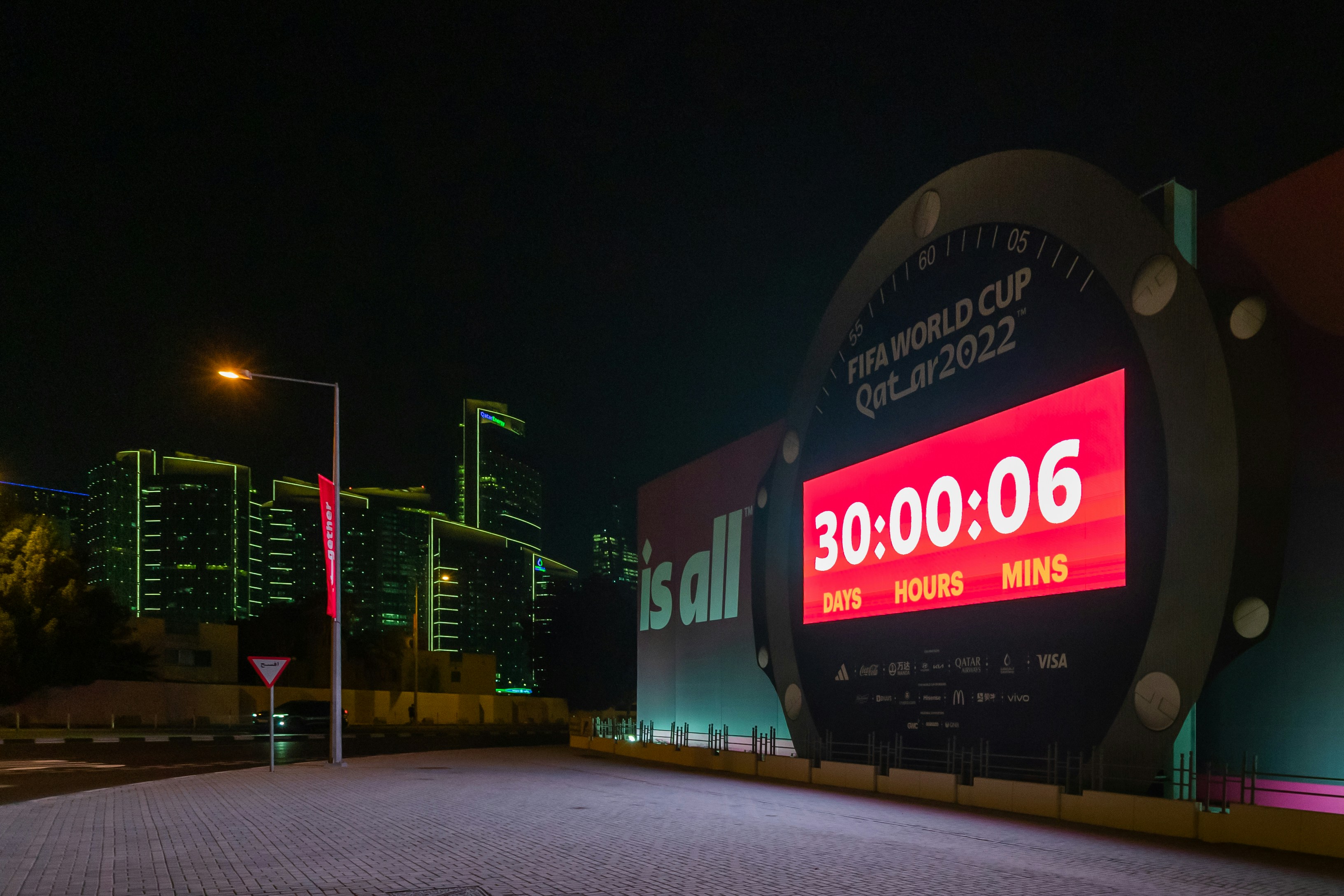
The countdown to the 2026 FIFA World Cup has begun, with clocks unveiled in Toronto, Vancouver, and Niagara Falls.
Introduction to the 2026 FIFA World Cup
The 2026 FIFA World Cup marks a historic moment in the world of sports as it will be the first time that this prestigious tournament is hosted by three nations: the United States, Canada, and Mexico. This event is not only anticipated by passionate football fans across the globe but also celebrates a unique collaboration between the host countries, highlighting the spirit of unity and inclusivity that transcends borders through sport.
The significance of the 2026 World Cup extends beyond the matches that will take place; it serves as a symbol of shared heritage and camaraderie among the nations involved. This joint hosting arrangement reflects the growing recognition of football as a universal language that unites people from different cultures and backgrounds. The event is expected to attract millions of visitors, bolster tourism, and create numerous economic opportunities within the host cities.
As the countdown to this momentous occasion has begun, excitement continues to swirl among fans, athletes, and local communities. Enthusiasts are eagerly looking forward to the celebration of football, which will showcase not only the participating teams but also the diverse tapestry of each host country. From the iconic skyline of New York to the stunning natural landscapes of Canada and the rich traditions of Mexico, each nation will play a crucial role in creating an unforgettable atmosphere during the tournament.
Furthermore, the 2026 World Cup will introduce the expanded format featuring 48 teams, which is projected to enhance the competitive nature of the matches and provide new opportunities for emerging football nations. This transformation reflects FIFA’s commitment to elevating the global game by diversifying participation while also promising exhilarating encounters for fans worldwide. As we witness the unveiling of countdown clocks in anticipation of this remarkable event, the enthusiasm surrounding the World Cup continues to build, firmly establishing it as a pivotal milestone in the history of international football.
Significance of the Countdown
The countdown to the 2026 FIFA World Cup holds considerable significance, particularly for soccer fans and communities involved in the event. This global phenomenon symbolizes not just an impending celebration of sport, but also a unification of diverse communities through a shared passion. As the clock ticks down, anticipation builds, creating an electric atmosphere that resonates far beyond the sport itself.
For soccer enthusiasts, the countdown serves as a constant reminder of the excitement that lies ahead. It engages fans in a dialogue about their hopes, dreams, and expectations for their national teams. Every passing day prompts discussions about tactics, potential lineups, and the overall implications of the tournament on global football. It is a time when communities come together, united by their love for the game, leading to heightened engagement in local soccer events and activities.
Participating cities in Canada have embraced the countdown as a means to strengthen community bonds and foster civic pride. The unveiling of countdown clocks is more than a mere public display; it is a call to action for local organizations, businesses, and residents to partake in the celebrations. By promoting events such as street festivals, viewing parties, and community soccer matches, cities are laying the groundwork for a vibrant and inclusive atmosphere that reflects the spirit of the World Cup.
Furthermore, the countdown to the 2026 FIFA World Cup provides an avenue for educational initiatives, as communities may engage with local schools and youth programs to promote the sport. By doing so, they instill a sense of belonging and excitement in younger generations, ensuring that the love for soccer continues to flourish well into the future. It is this blend of excitement, community engagement, and shared anticipation that underscores the significance of the countdown as we march toward one of the most celebrated sporting events in the world.
The Clocks: A Symbol of Anticipation
The unveiling of the countdown clocks in cities across Canada is marking a significant milestone as the nation prepares for the 2026 FIFA World Cup. Strategically positioned in prominent locations such as Toronto, Vancouver, and Niagara Falls, these clocks are designed to instill excitement and a sense of anticipation among the public as the countdown to the prestigious tournament begins.
In Toronto, the clock takes center stage at Nathan Phillips Square, where its modern design harmonizes with the urban landscape. This eye-catching timepiece features a sleek digital display, which not only counts down the days but also showcases key milestones leading up to the event. Public reaction has been overwhelmingly positive; many residents view the clock as a reminder of the upcoming festivities that the World Cup will bring, including potential cultural exchanges and tourism opportunities.
Moving west, Vancouver’s clock is located at Canada Place, an iconic waterfront site that attracts locals and tourists alike. The design integrates elements reflective of Canada’s natural beauty, intertwining the countdown with stunning views of the harbor and mountains. This unique placement fosters a sense of community, prompting residents to gather and share their excitement about the impending event. Social media platforms have been utilized to discuss the clock, with many sharing photographs and displaying national pride as they engage in lively conversations around the World Cup.
Lastly, in Niagara Falls, the clock sits prominently near the renowned natural attraction. Adorned with vibrant colors that mirror the falls’ stunning lights, this clock captures the spirit of football and the sense of adventure that accompanies it. Visitors often pause to take pictures next to the majestic backdrop, merging the allure of the site with their anticipation for the upcoming matches. As these countdown clocks continue to tick down, they have become powerful symbols of unity and excitement in celebrating the shared experience of hosting the 2026 FIFA World Cup across Canada.
Cities Hosting World Cup Events
As the countdown to the 2026 FIFA World Cup commences, Canada emerges as a key host nation, showcasing various vibrant cities prepared to accommodate this prestigious event. The selection of host cities not only reflects the country’s rich cultural diversity but also highlights modern infrastructure and the potential for tourism growth. Among the cities appointed for hosting World Cup matches is Toronto, known for its lively arts scene and diverse population. The city expects a significant influx of visitors, eager to experience both exciting football matches and the dynamic cultural landscape it offers.
Vancouver, another prime location within Canada, offers stunning natural beauty and a variety of attractions. The city’s integration of multiculturalism contributes to its welcoming atmosphere for tourists during the World Cup. With its state-of-the-art venues capable of hosting large crowds, Vancouver is poised to provide an unforgettable experience for soccer fans from around the globe. Anticipations are high, as both cities expect footfall to rise significantly, contributing to local economies and enhancing tourism visibility.
Edmonton, recognized for its historical significance and warm hospitality, is also set to host matches. The city boasts extensive sports facilities and a history of successful event hosting that bolsters its credibility on the international stage. Calgary, with its vibrant sports culture and passionate communities, further enhances Canada’s reputation as a welcoming host. Each city has established necessary infrastructure and services to ensure seamless logistics and a memorable experience for all visitors during the World Cup.
In addition to economic benefits, the cultural significance of these cities is profound. They are all set to showcase Canada’s unique identity to global spectators while promoting social unity and sportsmanship. The 2026 World Cup, thus, will not only be a football showcase but also a display of Canadian heritage and community spirit.
Community Involvement and Local Events
The upcoming 2026 FIFA World Cup has spurred a wave of enthusiasm among local communities in Canada, leading to numerous initiatives aimed at fostering community spirit and soccer culture. As anticipation builds for this global event, residents and local organizations are taking proactive steps to engage the population, enhance local pride, and create enjoyable experiences centered around the love for soccer.
One prominent example of community involvement is the organization of local soccer leagues and tournaments. These events not only provide a platform for athletes of all skill levels to participate but also embed the ethos of teamwork and sportsmanship that soccer embodies. Furthermore, community centers are often hosting soccer clinics and workshops that target youth engagement, aiming to cultivate the next generation of soccer enthusiasts, fans, and potential athletes.
In addition to sports-related activities, various community-driven events are being set up that celebrate the diversity and culture of the participating nations. Festivals featuring food, music, and art inspired by different countries not only enrich the local culture but also educate attendees about the global nature of the FIFA World Cup. Cities are leveraging these events to unite residents, spark conversation, and foster friendships among fans of all backgrounds.
Moreover, local business engagement is also vital in this countdown. Many small businesses are partnering with soccer clubs and community organizations to sponsor events or promote specially themed promotions, thus enhancing community camaraderie. These local collaborations encourage grassroots involvement and bolster local economies as residents rally together in the spirit of the World Cup.
Through these initiatives and events, local communities in Canada are preparing for the 2026 FIFA World Cup not just as spectators but as active participants, reinforcing the cultural significance of soccer in fostering unity and excitement leading up to the tournament.
The Economic Impact of the World Cup
The 2026 FIFA World Cup is anticipated to have significant economic implications for Canada, as it will not only attract global attention but also stimulate various sectors within the nation. With the event set to occur in a few years, countdown clocks have been strategically placed to increase interest and build excitement among both residents and tourists. These clocks serve as a visual reminder of the imminent festivities, naturally fostering a sense of anticipation and engagement in the local and visiting populations.
One of the most notable aspects of the World Cup’s economic impact is the boost in tourism. The event is expected to draw millions of visitors from around the world, bringing considerable revenue to local businesses. Hotels, restaurants, and entertainment venues will likely experience increased patronage, contributing to the overall economic vitality of host cities. The influx of tourists may necessitate additional services, stimulating job creation in sectors such as hospitality and transportation, thereby reducing unemployment rates and enhancing wage levels.
Moreover, the investment in infrastructure that accompanies the event is monumental. Major metropolitan areas are expected to enhance their transportation systems, upgrade existing sports facilities, and invest in public amenities. Such improvements not only cater to the influx of fans during the World Cup but also serve long-term benefits for the local population. The countdown clocks are an essential part of this infrastructure narrative, as they provide a visible and engaging element to the cities, encouraging both local and international interest in their development plans.
Ultimately, the economic impact of the FIFA World Cup cannot be understated. With an emphasis on tourism, job creation, and infrastructure development, the event is projected to act as a catalyst for growth, enhancing the overall prosperity of Canadian communities. As the countdown continues, the excitement and economic potential behind the World Cup become increasingly palpable, reinforcing the importance of this event in shaping the future of Canadian society.
Going Global: Canada’s Role in the FIFA World Cup
Canada’s involvement in the global soccer community stretches back over a century, yet it is only in recent years that the nation has begun to carve out a significant position in the world of soccer. While the Canadian national team’s presence on the international stage has historically been modest, the sport’s popularity has surged, particularly at the grassroots level. The rise in youth engagement, coupled with increased media coverage, is gradually transforming soccer into one of Canada’s beloved sports.
Hosting the 2026 FIFA World Cup is a monumental milestone for Canada, underlining the country’s evolving relationship with the sport. This edition of the World Cup will not only be the first time Canada has co-hosted the tournament but will also mark a significant turning point in its quest to enhance its global standing in soccer. The collaboration between Canada, the United States, and Mexico also symbolizes a unified effort to promote not only soccer but also cross-border cultural exchanges and community engagement.
In preparing for this prestigious event, Canada has made significant investments in soccer infrastructure, including the renovation and construction of stadiums and improving training facilities. The ambitions go beyond merely hosting matches; the country aims to foster a lasting legacy that increases participation in soccer among Canadians and uplifts the national team’s profile. As the nation gears up for the World Cup, local leagues and teams have reported growth in registration numbers and viewership, indicating a burgeoning soccer culture that is set to flourish in tandem with this international event.
Soon to welcome thousands of fans from around the globe, Canada is poised to showcase its rich multicultural tapestry through the lens of soccer. The World Cup will not only elevate Canada’s status within the soccer community but also provide a platform to celebrate diversity, sportsmanship, and global unity, reinforcing soccer as a sport that knows no boundaries.
Fan Engagement and Social Media Buzz
The anticipation for the 2026 FIFA World Cup is palpable, particularly with the innovative ways fans are engaging through social media platforms. The countdown has begun, and the excitement is being amplified as online communities share their passion for football. Key to this burgeoning interest are targeted social media campaigns, which not only create buzz but foster a sense of community among fans. Major platforms such as Twitter, Instagram, and Facebook have become the primary venues for discussions, sharing updates, and expressing enthusiasm.
Sporting bodies and event organizers have initiated specific hashtags, such as #CountdownTo2026 and #FIFAWC2026, that encourage fans to participate in the conversation, making them feel part of the journey. These hashtags enable support for teams, share personal experiences related to the World Cup, and create an interactive environment for followers. User-generated content plays a critical role in sustaining the momentum of engagement; fans are encouraged to share their thoughts, predictions, and even their jerseys as they count down to the event.
Moreover, social media platforms are being used to host various activities, including polls, quizzes, and giveaways. These events not only enrich the fan experience but also enhance visibility for sponsors and partners involved in this grand spectacle. Additionally, live streams and Q&A sessions with former players and football experts provide valuable insights and formats for deeper interaction. Community discussions facilitated through these mediums further fuel excitement and anticipation leading up to the World Cup.
In essence, the interplay between social media and fan engagement is vital in building enthusiasm for the 2026 FIFA World Cup. As the clocks unveil and the countdown progresses, fans are increasingly becoming active participants in the celebration of this prestigious event, contributing to a vibrant soccer culture as the world gears up for the competition ahead.
Conclusion: Looking Forward to Kick-off
The countdown to the 2026 FIFA World Cup is not merely a numerical display; it represents a shared anticipation and unity among Canadians. The unveiling of clocks across the nation symbolizes a collective spirit, fostering excitement for one of the world’s most significant sporting events. As we approach the tournament, the enthusiasm surrounding the World Cup is palpable, igniting discussions about national pride, athletic prowess, and the shared experience of football.
Communities are coming together, engaging in various activities that celebrate this global event. The countdown clocks serve as daily reminders of the approaching games, reminding fans of the thrilling matches ahead and the opportunity for Canada to shine on the world stage. With each passing moment, excitement builds as we await what promises to be an unforgettable showcase of talent and sportsmanship.
As the event date draws nearer, it is important for readers to remain engaged with the developments surrounding the World Cup. Following updates on stadium preparations, participating teams, and community events will enhance the experience and foster a deeper connection to this prestigious tournament. By staying informed, fans can take part in discussions within their communities and celebrate the event as a united front, embracing the world of football.
With the countdown firmly established, the stage is set for an incredible showcase of global talent. The energy radiating from the anticipation for the 2026 FIFA World Cup encourages all Canadians to participate in this historic moment. The journey towards the kick-off is filled with excitement, camaraderie, and the hope of a successful tournament for the Canadian team as well as all participating nations.
-
Usher clarifies: He never served as Beyoncé’s nanny.

Photo: Usher + Dreamstime In the latest news regarding Usher, ahead of his Super Bowl Half Time show, he addressed rumors about babysitting Beyoncé on Shannon Sharpe’s podcast Club Shay Shay. Usher clarified he never served as Beyoncé’s nanny but supervised her and others at musician Daryl Simmons’ house. Reflecting on his role, he emphasized he wasn’t a nanny but oversaw them as a teenager. This follows Usher’s mention last year of knowing Beyoncé when she was part of The Dolls. Usher affirmed his belief in Beyoncé’s future success and highlighted their collaborations over the years, including performances and songs like
“Bad Girl” and “Love In The Club Part II.”