Category: Uncategorized
-
-
Measles Surge:* Measles cases are rising globally, prompting discussions on whether children should be vaccinated earlier.
Understanding Measles and Its Impact
Measles is a highly contagious viral infection caused by the measles virus, which belongs to the Paramyxoviridae family. The disease primarily spreads through respiratory droplets when an infected individual coughs or sneezes. It is crucial to note that measles is capable of remaining infectious in the air for up to two hours and can be contracted by individuals who have not been vaccinated, making it particularly worrisome in communities with low vaccination coverage.
Symptoms of measles typically manifest around 10 to 14 days after exposure, beginning with high fever, cough, runny nose, and inflamed eyes. These are followed by a distinctive red, blotchy rash that usually starts on the face and spreads to the rest of the body. While many individuals recover without complications, measles can lead to severe health issues, especially in young children and those with weakened immune systems. Potential complications include pneumonia, encephalitis, and even death, underlining the importance of vaccination as a preventative measure.
The global health impact of measles outbreaks has been significant, particularly in regions experiencing vaccination declines. According to the World Health Organization (WHO), the number of measles cases has surged dramatically in recent years, with a reported increase of nearly 550% worldwide from 2016 to 2019. This alarming trend continued with the continuing outbreaks observed through 2023, prompting public health experts to reassess existing vaccination strategies and policies.
In countries with low immunization rates, the consequences are dire, leading to thousands of preventable deaths annually. The resurgence of measles poses a threat that not only affects the vulnerable population but also places strain on healthcare systems grappling with additional demands. Addressing this challenge requires a collaborative effort to restore vaccination initiatives and combat misinformation regarding measles vaccines. Understanding the implications of measles and its transmission dynamics is essential for formulating effective public health strategies moving forward.
Current Statistics on Measles Cases Worldwide
Recent data indicates a troubling surge in measles cases globally, emphasizing the urgent need to reassess vaccination strategies for children. According to the World Health Organization (WHO), the number of reported measles cases increased by over 500% in 2022 compared to previous years. This alarming trend is particularly pronounced in regions with lower vaccination coverage, such as Africa and Southeast Asia, where the incidence of measles has drastically risen. In many countries, vaccination rates have dipped below the critical threshold of 95%, which is necessary to ensure herd immunity and minimize the spread of the virus.
The demographic groups most affected by this resurgence include children under the age of five and unvaccinated individuals. Vulnerable populations are at greater risk of contracting measles, leading to severe complications that can result in hospitalization or even death. In regions experiencing armed conflict or significant health crises, access to vaccination is further hindered, contributing to localized outbreaks. For instance, countries like Nigeria and the Democratic Republic of the Congo have reported some of the highest rates of measles infection, largely due to disruptions in health services and propagation of misinformation regarding vaccination.
Furthermore, a correlation between vaccination rates and outbreak occurrences becomes evident when analyzing the data. Communities with lower immunization coverage witness significant spikes in measles cases, while regions with higher vaccination rates demonstrate effective control over the virus. Public health officials emphasize that reinstating robust vaccination campaigns and addressing hesitancy are crucial steps in combating the current epidemic. Without immediate action, the ongoing measles surge threatens to reverse years of progress in controlling this preventable disease, highlighting the critical necessity to reevaluate and enhance existing vaccination strategies for children globally.
The Role of Vaccination in Measles Prevention
Vaccination plays a pivotal role in the prevention of measles, a highly contagious viral disease that can lead to severe health complications. The MMR (measles, mumps, rubella) vaccine is a combined immunization that effectively protects against the measles virus, among others. The MMR vaccine induces an immune response in the body, prompting the production of antibodies that work to neutralize the measles virus upon exposure. This proactive approach significantly reduces the incidence of measles infections in vaccinated populations.
Health authorities globally recommend an initial dose of the MMR vaccine to be administered to children between the ages of 12 and 15 months, with a follow-up booster dose typically given between 4 and 6 years of age. Adhering to this vaccination schedule is essential as it not only instills individual immunity but also contributes to community protection through herd immunity. Herd immunity occurs when a significant majority of a population becomes immune to the measles virus, either through vaccination or previous infections. This immunity inhibits the spread of the virus, thereby protecting those who cannot be vaccinated, such as infants and individuals with certain medical conditions.
The effectiveness of the MMR vaccine is well-established; it is estimated to provide about 93% protection after the first dose and up to 97% protection following the second dose. Nevertheless, there have been recent surges in measles cases globally, primarily attributed to declining vaccination rates. Barriers to vaccine uptake include misinformation about vaccine safety, access issues, and vaccine hesitancy fueled by social media. A renewed focus on vaccination strategies is imperative to combat these challenges and restore high vaccination coverage rates, ultimately leading to the containment of measles outbreaks and safeguarding public health.
Arguments for Earlier Vaccination
The rising incidence of measles worldwide has sparked a debate regarding vaccination protocols, particularly the age at which children should receive their first dose of the measles vaccine. Proponents of earlier vaccination suggest that administering the vaccine at a younger age could significantly reduce susceptibility to outbreaks. Research indicates that measles is highly contagious, with the potential for rapid transmission in communities with low vaccination coverage. By introducing the measles vaccine earlier, health experts argue that children can develop immunity before they are exposed to potentially infected individuals.
A pivotal study published in the Journal of Infectious Diseases in 2021 demonstrated that children vaccinated at 6 months exhibited lower rates of measles infection compared to their unvaccinated peers during an outbreak. This finding underscores the potential benefits of earlier immunization, especially in regions where measles is still prevalent. Additionally, the World Health Organization (WHO) has acknowledged that areas encountering high transmission rates could benefit from earlier doses, particularly in the context of community immunization strategies.
Case studies from countries facing severe measles outbreaks, such as the Democratic Republic of the Congo and Ukraine, provide further evidence supporting early vaccination. In these regions, health authorities have adopted policies that allow for the administration of the measles vaccine at 6 months in high-risk populations. Reports have shown that this strategy not only effectively curbs the spread of measles but also enhances community immunity levels, thereby fostering herd immunity.
Furthermore, experts in public health emphasize that early vaccination can play a critical role in safeguarding vulnerable populations—such as infants, immunocompromised individuals, and those unable to receive the vaccine for medical reasons. By implementing strategies for earlier vaccination against measles, the global health community may be better positioned to tackle outbreaks and work towards eradicating this highly infectious disease.
Concerns and Counterarguments Against Early Vaccination
The topic of early vaccination often elicits diverse opinions, particularly regarding the associated risks and concerns. It is crucial to recognize that while vaccinations, including those for measles, are essential for public health, parents and caregivers frequently voice apprehensions about administering vaccines to children at a young age. One of the most prevalent worries involves potential side effects. Although many children experience no adverse reactions, some report mild symptoms such as fever or irritability following vaccination. Serious side effects are extremely rare, but they do amplify fears among some parents, prompting them to question the safety and efficacy of receiving vaccinations early in life.
Another significant area of concern is the fear of overwhelming a child’s immune system. Critics of early vaccinations argue that the number of vaccines recommended for infants and young children might lead to undue stress on their developing immune systems. However, research indicates that children are naturally exposed to thousands of pathogens daily, showcasing their immune systems’ remarkable capability to handle multiple challenges without jeopardizing their health.
Furthermore, misinformation regarding vaccination timelines has proliferated, contributing to hesitance among parents. Myths surrounding a supposed correlation between vaccines and developmental disorders, such as autism, have been thoroughly debunked by multiple comprehensive studies. Nevertheless, the fear resulting from these misunderstandings persists. It is essential for healthcare professionals and public health advocates to address these concerns explicitly, providing evidence-based information that reassures parents about the safety of vaccinations.
By weighing the benefits of early vaccination against potential drawbacks, parents are better equipped to make informed decisions regarding their children’s health. The ongoing dialogue surrounding vaccination strategies must consider these concerns carefully, while also emphasizing the overwhelming evidence of their importance in preventing disease outbreaks and safeguarding community health.
Public Health Policy and Vaccination Guidelines
The alarming increase in measles cases worldwide has prompted public health officials and organizations to re-evaluate existing vaccination strategies. As outbreaks surge across various regions, it has become increasingly important to assess current vaccination guidelines established at both national and international levels. Health authorities, including the World Health Organization (WHO), have recognized the urgent need to bolster measles vaccination efforts to curb the growing threat posed by the disease.
At the national level, countries are responding to the surge in measles cases by revisiting their immunization schedules. Many governments have established comprehensive strategies to ensure that children receive the measles, mumps, and rubella (MMR) vaccine in a timely manner. For instance, several nations are considering implementing catch-up vaccination campaigns targeting populations that may have missed immunizations due to disruptions caused by the COVID-19 pandemic. This proactive approach aims to close immunity gaps and prevent future outbreaks.
Furthermore, guidelines set forth by public health bodies are being scrutinized and adjusted in light of recent data. Health organizations are advocating for increased awareness and access to vaccinations, particularly in vulnerable populations. For example, recommendations may now emphasize the importance of the first dose of the MMR vaccine being administered earlier than previously suggested, especially in areas experiencing high transmission of the virus. Additionally, the need for booster doses is being explored to enhance immunity among individuals who may not have completed their initial vaccinations.
International coordination is crucial to combating the resurgence of measles. Collaborative efforts between health organizations, governments, and local communities are pivotal in addressing vaccination disparities and misinformation. By solidifying public health policies and vaccination guidelines, the global health community aims to effectively respond to the measles surge and safeguard children’s health worldwide.
The Role of Community Awareness and Education
In the face of the global measles surge, community awareness and education emerge as crucial elements in safeguarding public health. Raising awareness about measles, a highly contagious viral disease, is essential for promoting vaccination and curbing its spread. The effectiveness of vaccination campaigns is significantly enhanced when communities are informed about the disease and the importance of immunization.
One critical strategy for addressing the measles outbreak is the implementation of targeted educational programs. These programs can be tailored to various demographics, ensuring that information reaches all segments of the population. Engaging local leaders and trusted figures to disseminate information can further enhance the credibility of the vaccination message. Schools, community centers, and places of worship serve as valuable venues for holding informational sessions that can dispel myths and clarify misconceptions about the measles vaccine.
Healthcare providers play an integral role in this educational endeavor. They have the unique opportunity to interact directly with families, making them pivotal in changing perceptions around measles vaccination. By providing clear, factual information regarding vaccine benefits, safety concerns, and possible side effects, healthcare professionals can address vaccine hesitancy effectively. These conversations are essential for building trust and compliance among parents regarding childhood immunizations.
Addressing barriers to vaccination is vital for community outreach efforts. This includes understanding cultural beliefs, socioeconomic factors, and misinformation that may lead to vaccine reluctance. Thus, collaborative initiatives involving public health agencies, community organizations, and healthcare providers are necessary to create a comprehensive educational strategy that promotes vaccinating children against measles. Together, these efforts can enhance community understanding and participation in preventive measures, ultimately reducing the incidence of measles and securing community health.
Case Studies: Countries Successfully Tackling Measles Outbreaks
The resurgence of measles has prompted a global response, particularly in countries that have effectively implemented targeted strategies to control outbreaks. One notable case is Rwanda, which has achieved remarkable success in reclaiming high vaccination coverage. Following an outbreak in 2009, the Rwandan government revamped its immunization program. They adopted a community-based approach, engaging local health workers to educate families about the importance of measles vaccinations. This grassroots mobilization resulted in vaccination coverage exceeding 95%, significantly reducing the measles incidence in the following years.
Another successful case can be observed in Thailand, where public health initiatives effectively targeted high-risk populations. The Thai Ministry of Public Health integrated measles vaccinations into a broader framework that emphasizes universal health coverage. Through innovative media campaigns and school-based immunization programs, Thailand managed to ensure that vaccination was accessible to all children, even in remote areas. The quick response to outbreaks through booster campaigns further solidified their success in maintaining low measles rates in the country.
In addition to Rwanda and Thailand, Brazil’s vaccination strategy has also yielded significant results. Despite a considerable outbreak in 2018, Brazil’s public health system rapidly adapted by launching nationwide vaccination campaigns. They utilized a multi-pronged approach involving social media, partnerships with local organizations, and educational outreach. These measures not only increased vaccination rates but also improved community awareness about the risks of measles. The Brazilian experience highlights the importance of adaptability and responsive healthcare policies in managing diseases such as measles.
These case studies demonstrate various effective methods, from grassroots mobilization to integrated health initiatives, that can be utilized worldwide. By analyzing the successful vaccination strategies of other nations, there are valuable lessons to be learned and adapted in tackling the global measles crisis.
Conclusion: The Path Forward in Measles Prevention
The resurgence of measles on a global scale demands urgent attention and a reassessment of current vaccination strategies. Throughout this discussion, we have highlighted the critical role that vaccinations play in protecting children from preventable diseases like measles. Given the alarming increase in cases, it is imperative that we prioritize vaccination campaigns to bolster herd immunity within communities. Vaccination not only safeguards individual children but also shields those who are unable to receive vaccinations due to medical conditions, thereby playing a pivotal role in public health.
Moreover, the importance of collaborative efforts between governments, healthcare providers, and communities cannot be overstated. Governments must allocate resources for extensive vaccine awareness campaigns, improving access to immunization services, especially in underserved regions. Healthcare providers are essential in advocating for vaccinations, educating parents on the safety and efficacy of vaccines, and addressing any concerns that may arise. Community engagement is equally vital; grassroots initiatives that foster understanding and trust in vaccinations can significantly enhance participation in immunization programs.
As we move forward, it is essential to innovate and adapt our strategies to meet the evolving challenges presented by measles outbreaks. This includes improving communication about the benefits and necessity of vaccinations, implementing strategies to reach hesitant populations, and investing in research to ensure that vaccines remain effective against emerging strains. By reinforcing commitment to immunization and fostering a culture of preventive health, we can significantly reduce the incidence of measles and protect the future of our children. Ultimately, a concerted effort across all sectors will be crucial in combating the rising tide of measles and ensuring the health and safety of future generations.
-
Worldwide Stocks Rise In the midst ofPositive thinking from US-China Exchange Talks in London
June 11, 2025 â Budgetary Markets Report
Global value markets posted humblepicks up on Tuesday as financial specialistsrespondedemphatically to empoweringimprovements from the progressing US-China exchangearrangements held in London. The talks, which are being closely observed by showcasemembers around the world, struck a outstandinglyhopeful tone, raising trusts of advance in settling long-standing financialpressures between the worldâs two biggest economies.
In reaction to the positive estimation, major US stock listsenrolledstrongpicks up. The S&P 500 closed the session up 0.55%, whereas the Nasdaq Composite progressed 0.63%. These picks up reflect financial specialistcertainty that a valuableresult in exchange relations seembackworldwidefinancialdevelopment and decrease geopolitical uncertainty.
Optimism in London
The London circular of exchangetalks marks a basicstagewithin thereestablisheddiscourse between Washington and Beijing, taking aftera few months of slowed downadvance and taxdangers. Agreeing to reports from moderators, the air in London has been depicted as “valuable and forward-looking,” with both sides appearingreadiness to compromise on key issues such as innovationexchange, mental property assurances, and advertise access.Although no major bargain has however been marked, indeed the imply of potential understanding has demonstratedsufficient to buoy speculatorestimation. Investigators note that the advertise has been profoundlytouchy to exchangefeatures, with valuesordinarily rising on signs of participation and falling on signs of tension.
Market Responses and Broader Impacts
The positive development in US valuesresoundedoverworldwide markets, with European and Asian stocks too posting mellowpicks up. The FTSE 100 in London edged higher, whereasrecords in Hong Kong and Shanghai saw minimalenhancementsamidpriorexchanging sessions.âMarkets are reacting to what they see as a bringing down of trade-related risks,â said Julia Emerson, a senior advertise strategist at Pinnacle Capital. âThe tone coming out of the London talks recommends we might be entering a more steadystage in US-China relations, which is strong for worldwideventure sentiment.â
Looking Ahead
Investors will presently turn their consideration to up and comingfinancialinformation releases and any official articulationswhich willrise from the exchangemediatorswithin the coming days. A fruitfulresult to the London discoursesseemclear the way for a broader assentionafterward this year, possiblyfinishinga long time of tit-for-tat duties and administrative uncertainty.However, specialists caution that whereas the current tone is empowering, much work remains to be done some time recently a formal determination can be come to. The complexity of the issues at handâranging from national security concerns to financial competitivenessâmeans that transactions are likely to proceed over the medium term.
Conclusion
The humble rise in worldwide stock markets serves as a update of how profoundlyinterlaced global financial execution is with geopolitical improvements. As the US and China inch closer to potential breakthroughs, markets will likely proceedto reply to eachimprovement with sharpintrigued. For presently, positive thinking prevails.Would you like a shorter form for a web journal or bulletin, or ought to I organize it for a budgetary news site?
-
Military Deployment in Los Angeles*: Defense Secretary Pete Hegseth has sent Marines to Los Angeles to handle protests against immigration raids, sparking controversy
Introduction
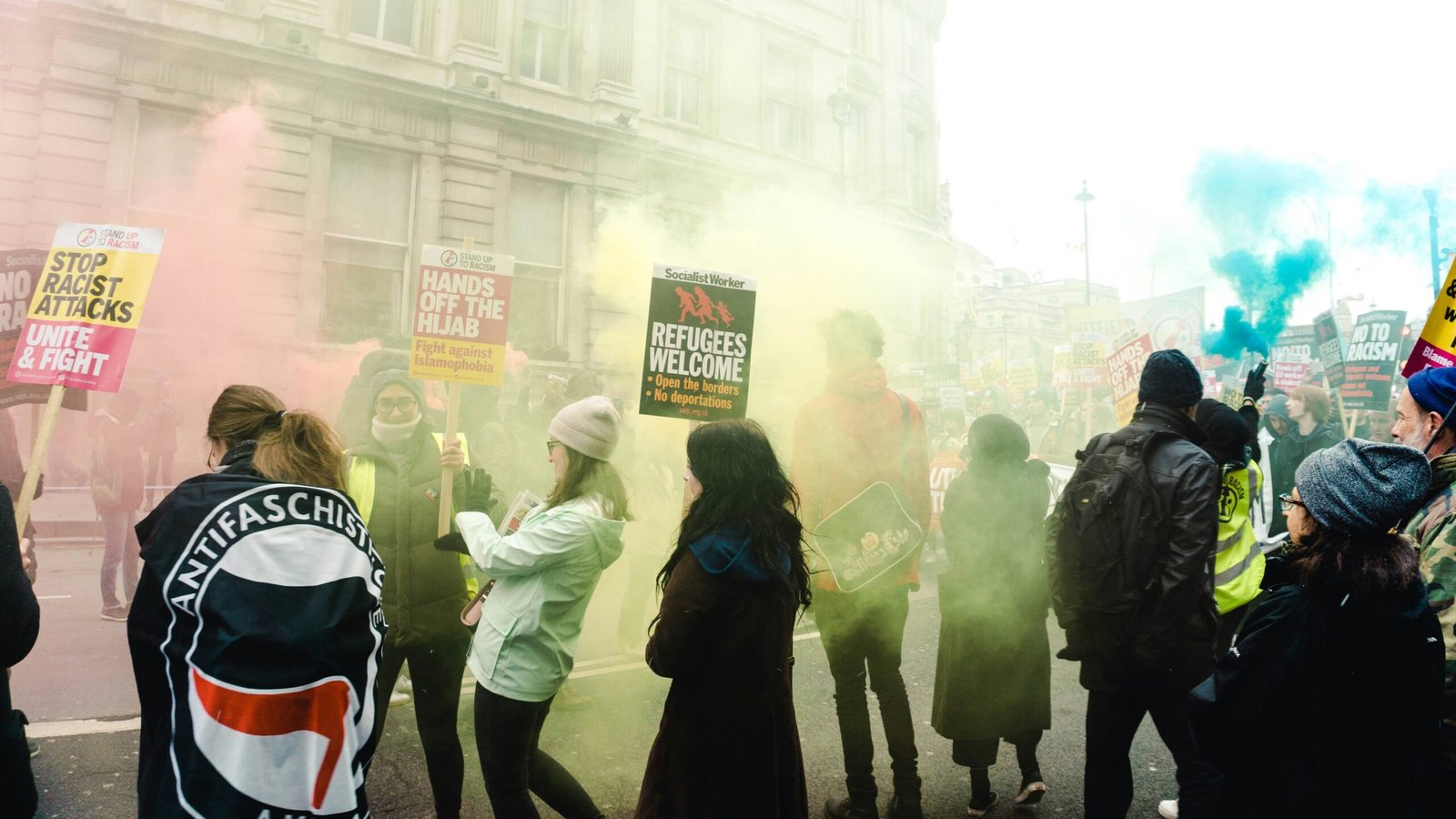
The recent decision to deploy Marines in Los Angeles has stirred significant debate regarding the military’s role in domestic affairs. This unprecedented action, endorsed by Defense Secretary Pete Hegseth, underscores a growing trend of military involvement in civil matters, particularly amidst heightened tensions arising from immigration protests. The deployment was largely influenced by escalating demonstrations against recent immigration raids, which have sparked widespread concern and unrest within various communities across the city.
These protests reflect broader social anxieties regarding immigration policies and their impact on local populations, particularly undocumented individuals. While the intention behind the military deployment may be to maintain order, the presence of armed forces in a civilian context raises critical questions about the appropriateness of military intervention in civil society. Historical precedents indicate that such actions can easily lead to an erosion of civil liberties and provoke further unrest, as the line between law enforcement and military action becomes increasingly blurred.
It’s essential to understand that this deployment is set against a backdrop of increasing polarization surrounding immigration issues in the United States. The involvement of the military in such protests could be seen as an effort to demonstrate federal authority in a climate characterized by rising tensions. However, it also invites scrutiny regarding the ethics and implications of using military resources for domestic policing purposes. As the Los Angeles community grapples with this complex situation, the decision to send Marines becomes a focal point for discussions about the appropriate balance between maintaining public order and preserving civil rights.
Background of the Protests
The protests in Los Angeles, which garnered significant media attention, stem from a complex interplay of public sentiment regarding immigration policy and its implications for local communities. Over the years, immigration raids have become a contentious issue affecting not only undocumented individuals but also their families and neighbors. The fear of sudden deportation has instilled a sense of vulnerability among many residents, leading to a unified opposition against these aggressive tactics. As communities mobilize, the protests have emerged as a response to perceived injustices and human rights violations.
Demographically, the protesters represent a diverse spectrum of Los Angeles residents. This includes not only immigrants themselves but also allies from various ethnic backgrounds, civil rights advocates, and local organizations committed to social justice. These groups are often intertwined, as many protesters have personal connections to those impacted by immigration enforcement actions. The solidarity forged among these diverse communities illustrates the widespread discontent with current immigration policies and enforcement practices.
The motivations behind the protests are deeply rooted in a growing frustration over a perceived lack of empathy and understanding within governmental policies. Protesters are increasingly vocal about the negative implications these policies have on the socio-economic fabric of their communities. Many argue that such actions disproportionately target vulnerable populations, exacerbating anxiety and unrest. As awareness of these issues grows, the protest movements in Los Angeles reflect a broader national dialogue on immigration reform and the rights of immigrants, underscoring the need for systemic change. Consequently, the continuous rise in civil unrest is not just a local concern, but indicative of a nationwide call for reevaluation of immigration strategies and enforcement measures.
The Decision to Deploy Marines
The decision to deploy Marines to Los Angeles was influenced by a multitude of factors, primarily rooted in concerns regarding public safety during a period of heightened immigration protests. Defense Secretary Hegseth faced increasing pressure from both government officials and communities grappling with the perceived chaos surrounding these demonstrations. As the protests escalated, concerns about violent confrontations, civil unrest, and a potential breakdown of order prompted discussions about the necessity for military intervention.
Key to this decision were the insights provided by various government officials who evaluated the situation on the ground. Reports indicated that local law enforcement agencies were overwhelmed by the scale of the protests, which often featured acts of civil disobedience and clashes with counter-protestors. This, combined with fears of escalating violence, raised alarms in administrative circles. Officials suggested that deploying Marines would not only serve as a deterrent against possible violence but also restore a sense of stability in a city grappling with conflict. Consequently, the idea of military presence was framed as a necessary precaution to uphold law and order, notwithstanding the inherent complexities of deploying forces domestically.
Another aspect influencing the decision was the political climate surrounding immigration debates, as heightened public sentiment could not be overlooked. The administration argued that military involvement would send a clear message regarding the federal stance on immigration, thereby reinforcing existing policies and expectations. Nevertheless, the ramifications of such a deployment have sparked considerable debate among experts, advocacy groups, and citizens alike, underscoring the delicate balance between security measures and civil liberties.
Public Reaction and Controversy
The deployment of military forces in Los Angeles to manage immigration protests has sparked widespread debate among various segments of society. Public reaction has been notably polarized, with some individuals expressing staunch support for the military’s presence, citing the need for order and safety during increasingly intense protests. Others have vehemently opposed the decision, arguing that it represents an alarming encroachment on civil liberties and an inappropriate militarization of civilian governance.
Lawmakers have also been divided over this controversial decision. Supporters within legislative circles assert that the involvement of the Marines can provide essential support to local law enforcement, facilitating a more robust response in situations that may otherwise spiral out of control. Conversely, critics argue that enlisting military personnel to respond to domestic protests undermines the very foundations of democracy and may set a perilous precedent for future interactions between the military and civilian populations. The fears surrounding this issue mainly stem from the potential for confrontations between military forces and protesters, raising concerns about the use of force and the preservation of constitutional rights during civil unrest.
Civil rights organizations have voiced significant apprehension regarding the implications of military involvement in public protests. These organizations emphasize the risks of increased tensions, potential violence, and the erosion of trust between communities and law enforcement. Many advocates fear that the visibility of Marines on the streets could exacerbate feelings of vulnerability among marginalized groups, who may perceive such deployments as hostile. The discussion surrounding the military’s role in civil affairs is particularly crucial in light of historical contexts where military interventions in civilian matters have led to human rights abuses.
Overall, the controversy surrounding military deployment in Los Angeles reveals a complex interplay of public sentiment, legislative response, and civil rights considerations, reflecting a broader societal struggle over the appropriate boundaries of military involvement in civilian unrest.
Legal and Ethical Considerations
The deployment of military forces, particularly the United States Marines, in domestic situations raises significant legal and ethical concerns. Central to this discussion is the Posse Comitatus Act of 1878, which restricts the use of federal military personnel to enforce domestic laws unless explicitly authorized by the Constitution or an act of Congress. This act is intended to prevent the military from interfering in civilian affairs and to uphold the principle of a distinct separation between military and civilian jurisdictions. However, exceptions exist, allowing for military intervention in cases of insurrection, natural disasters, or when law enforcement resources are inadequate.
Critics argue that the recent military presence at immigration protests in Los Angeles challenges the intent of the Posse Comitatus Act. Such deployment can be perceived as an overreach of federal authority, potentially undermining citizens’ rights to peaceful assembly and free speech, which are protected under the First Amendment. The presence of armed forces may intimidate demonstrators and alter the dynamic of civil discourse, indicating a shift towards a more militarized approach to policing protests.
Ethical considerations also come into play when discussing the implications of military involvement in domestic issues. The militarization of police forces has become a growing concern; critics warn that it may foster an environment of distrust between communities and law enforcement agencies. Furthermore, deploying Marines, who are trained primarily for combat and warfare, to manage immigration protests raises questions about their suitability in handling civil unrest. This calls into question the ethics surrounding the use of military personnel in roles where there is a strong requirement for de-escalation, dialogue, and community engagement, rather than confrontation and force.
In conclusion, the legal and ethical complexities surrounding military deployment for immigration protests necessitate careful consideration to balance national security interests against civil liberties and community trust.
Historical Context of Military Deployments
The deployment of military forces during instances of civil unrest in the United States has a complex and often contentious history. Numerous historical examples reveal a pattern of utilizing military interventions as a means of maintaining order during times of significant public dissent. One of the earliest examples includes the use of federal troops during the Whiskey Rebellion in 1794, where President George Washington sought to suppress a violent uprising against federal taxation. This decision emphasized the federal government’s willingness to utilize military power to uphold its authority, setting a precedent for future actions.
Another notable instance occurred during the civil rights movement, particularly in the late 1950s and 1960s. In 1957, President Dwight D. Eisenhower sent the 101st Airborne Division to Little Rock, Arkansas, to enforce the integration of Central High School following a hostile response from local authorities. This intervention marked a pivotal moment in U.S. history, illustrating the federal commitment to civil rights while also raising questions about the appropriateness of military force in domestic matters.
Similarly, during the Kent State shootings in 1970, the Ohio National Guard was deployed to quell anti-Vietnam War protests, resulting in tragic loss of life and further highlighting the tension between state authority and civil liberties. Such deployments reflect both a defensive stance against perceived disorder and a reactive measure to safeguard the public interest, albeit with consequences that often exacerbate tensions between the government and its citizens.
The lessons learned from these historical instances remain relevant today. While the military can serve as a stabilizing force in times of unrest, the implications of such interventions often spawn further debate around the balance of power, public safety, and the value of free expression. In the current context of Los Angeles, these historical precedents serve as a critical lens through which the recent decision to deploy Marines can be analyzed.
Impact on Local Communities
The deployment of military personnel, particularly Marines, in response to immigration protests in Los Angeles has profound implications for local communities. The presence of armed forces often reshapes the dynamics between residents and law enforcement, potentially straining relations. Communities traditionally rely on local police for protection and support, yet the infusion of military might can invoke feelings of tension and distrust. Residents may perceive the military’s arrival as an indication that local law enforcement is inadequate or overwhelmed, which can lead to a deterioration of community-police relations. This perception not only affects interactions between citizens and law enforcement but can erode the trust that underpins community solidarity.
Moreover, the psychological impact on community members cannot be understated. The sight of military personnel patrolling neighborhoods can instill fear rather than security, especially amongst vulnerable populations. Communities grappling with issues of immigration may feel particularly targeted, heightening anxieties and creating an atmosphere of apprehension. Individuals may feel that their rights are being infringed upon, leading to increased tensions and a sense of alienation within their own neighborhoods. This psychological strain can have long-lasting effects, particularly among children and young adults who are developing their perceptions of authority and civil engagement.
Finally, the long-term ramifications of military deployment for social cohesion and trust in law enforcement could be significant. As communities experience heightened militarization, the fabric that binds them—community engagement, collaborative policing efforts, and mutual trust—may begin to fray. This could lead to a cycle of conflict where communities become increasingly resistant to law enforcement, further perpetuating divisions between civilians and police. Addressing these challenges requires thoughtful engagement and dialogue among all stakeholders to repair and strengthen the relationships that are vital for community well-being. As communities navigate these complexities, understanding the impact of military presence is crucial for fostering resilience and solidarity in the face of ongoing societal challenges.
Future Implications of Military Involvement
The deployment of military forces, such as the Marines, to address immigration protests in Los Angeles raises significant questions regarding the future of military involvement in domestic affairs. As this unprecedented decision is analyzed, it becomes imperative to consider the potential long-term implications for civil liberties and the balance of power between state and military authorities. Such actions could set a precedent for similar responses to civil unrest, fundamentally altering the relationship between citizens and the military in the United States.
Engaging military personnel in domestic protests may uncomplicate complex law enforcement challenges. However, it could also foster an environment of militarization in civic matters that undermines the principles of a democratic society. The involvement of military forces in civilian roles can create a perception of increased enforcement and hostility, which may exacerbate tensions during civil demonstrations. This shift in operational dynamics raises concerns about the militarization of local law enforcement and the potential erosion of trust between communities and the authorities.
Furthermore, the reliance on military intervention could become a normalized solution to protest management. This potential normalization could lead to further military engagements in civilian scenarios, affecting not just the immediate situation surrounding immigration policies but also future protests addressing other social issues such as racial justice, healthcare, and economic inequalities. As the military’s role continues to evolve, it is critical to engage in meaningful discussions about ethical implications and the potential consequences of blurring lines between civilian policing and military enforcement.
In conclusion, the military’s deployment in domestic protests presents multifaceted challenges that could reverberate across law enforcement policies and public perceptions of military involvement. These considerations call for a deep examination of both the immediate and enduring consequences of military action in civilian contexts.
Conclusion and Call to Action
In reviewing the recent military deployment in Los Angeles, particularly the decision to send Marines to manage immigration protests, it is essential to underscore the myriad complexities surrounding this action. Throughout the discussion, we have examined the various facets, including the implications for civil liberties, the potential escalation of tensions, and the broader societal impacts on immigration policy. The involvement of military personnel in domestic affairs raises significant questions about the appropriate use of military force, particularly in civilian contexts, revealing the delicate balance between ensuring public safety and protecting citizens’ rights.
The deployment has sparked a robust debate among various stakeholders, from local community leaders to national policymakers. Concerns have been voiced regarding the militarization of local law enforcement and its effect on public trust, especially in communities directly impacted by immigration laws. Moreover, the moral implications of utilizing military resources to address civil protests cannot be understated, as it reflects a profound shift in how authorities respond to public dissent.
Recognizing these controversies encourages us as citizens to engage meaningfully with pressing issues such as policing and immigration reform. It is vital for individuals to communicate their concerns to local representatives and participate in discussions about the long-term implications of militarized responses to civilian protests. By fostering dialogue and advocating for policies that prioritize community safety and civil liberties, we can work towards a more equitable system. Therefore, we urge readers to stay informed, raise awareness, and partake in civic engagement, considering the profound impact these decisions have on the fabric of society and democratic values.